Four Practices That Keep Programs Open
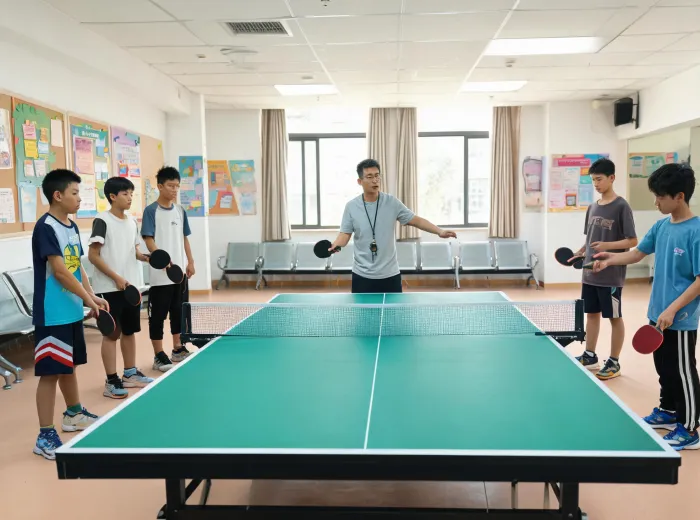
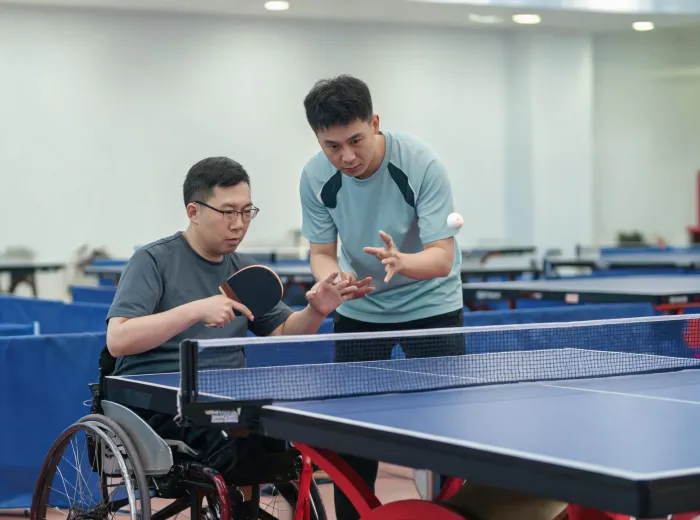
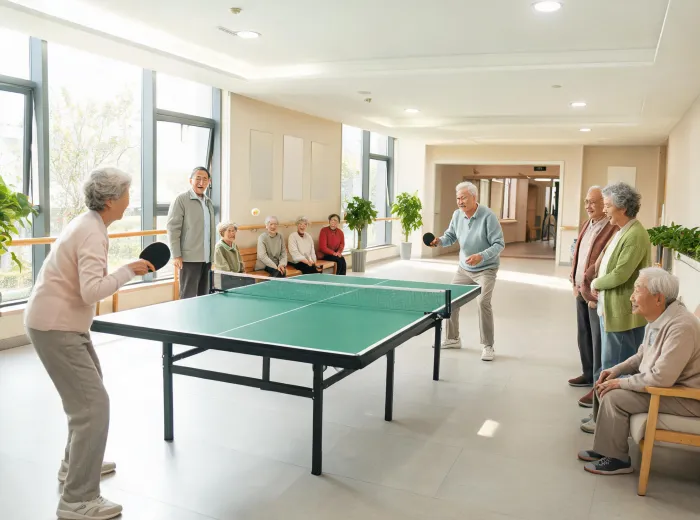
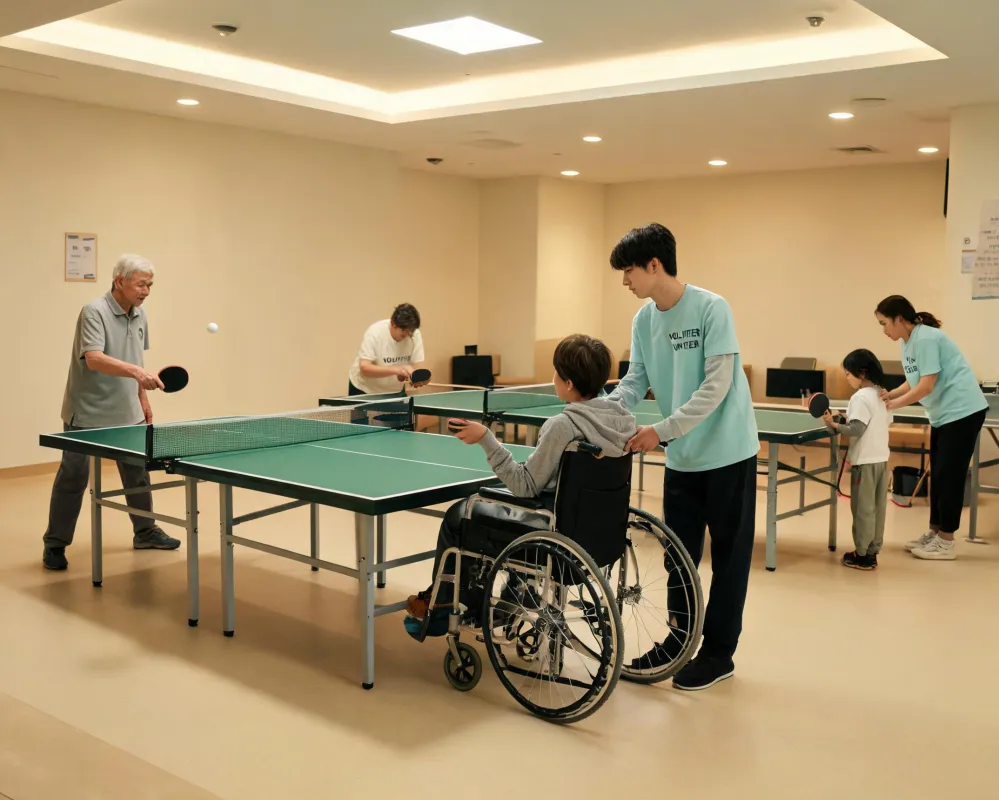
Begin with access. Leave clear circulation around each table, identify seating and rest areas, and offer a lower-noise session when a busy hall would exclude some players.
Good access is designed into the timetable and floor plan; it cannot be added by a sign at the door.
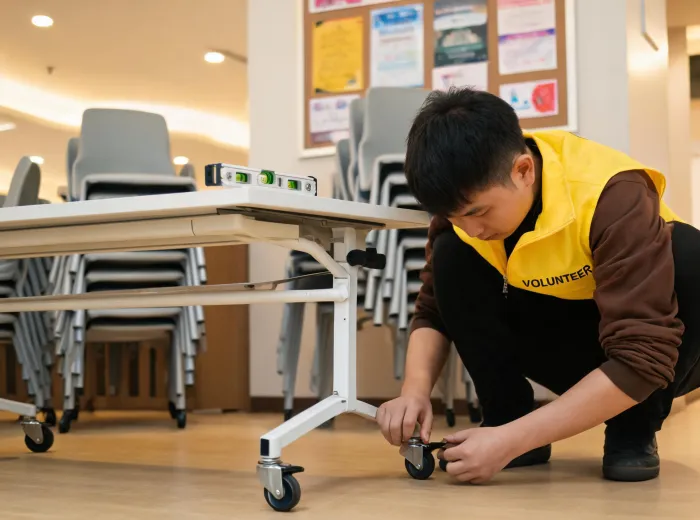
Make setup teachable. Staff and volunteers should know how to release folding mechanisms, lock casters, confirm level and set net height without improvisation.
Inspect what moves. A brief pre-session review of wheel locks, frame fasteners, playing surface, net posts and surrounding trip hazards creates a documented maintenance signal.
A five-minute check is useful only when ownership and escalation are explicit.
Choose repair over premature replacement where practical. Model identification, compatible parts and correct cleaning help extend useful service life, but damaged safety mechanisms or unstable frames should be removed from use until assessed.